From Evince
Published 2026-07-29
If you’re researching water filtration systems, you’ve probably come across two popular options: Whole House Water Filter vs Reverse Osmosis (RO) systems. While both improve water quality, they serve very different purposes.
A common misconception is that installing one eliminates the need for the other. In reality, they solve different water quality challenges, and for many California homeowners, they work best together.
Whether you’re dealing with hard water, chlorine, chloramine, or simply want better-tasting drinking water, understanding the difference can help you choose the right solution for your home.
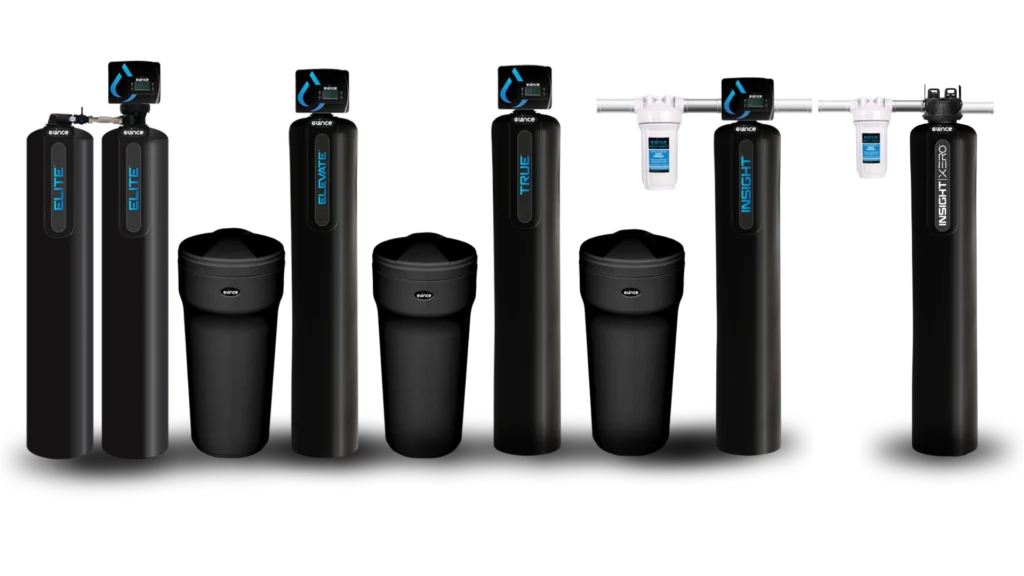
A whole house water filtration system treats water before it enters your home’s plumbing. Every faucet, shower, washing machine, dishwasher, and outdoor connection receives filtered water.
These systems are designed to reduce contaminants commonly found in municipal water supplies, including:
Many of these contaminants are commonly monitored in public water systems under the U.S. Environmental Protection Agency’s National Primary Drinking Water Regulations, which establish standards for safe drinking water quality.
Unlike under-sink filters, whole house systems improve the quality of water used throughout your entire home, not just the water you drink.
For homeowners in Southern California, this also means reducing chlorine exposure while showering, protecting plumbing fixtures, and helping extend the lifespan of household appliances.
Learn more about our Whole House Systems.
Reverse osmosis (RO) is a point-of-use filtration technology, typically installed beneath the kitchen sink.
Instead of filtering all the water entering your home, an RO system treats only the water intended for drinking and cooking.
Reverse osmosis uses a semi-permeable membrane capable of removing extremely small dissolved contaminants, including:
B of its fine filtration, RO systems produce exceptionally clean drinking water.
Explore our Drinking Water Systems.
Although these systems are often compared, they are designed for different jobs.
Rather than replacing one another, they complement each other.
Many people focus only on the water they drink. However, the average household uses significantly more water for bathing, laundry, dishwashing, and cleaning than for drinking.
A whole house system helps protect:
Reduced sediment and chlorine exposure can help minimize buildup inside pipes and fixtures over time.
Appliances such as water heaters, washing machines, and dishwashers may benefit from cleaner incoming water, helping reduce maintenance and wear.
Many homeowners notice that filtered water feels gentler for bathing by reducing chlorine exposure during showers.
Reverse osmosis excels where whole house systems are not designed to.
Because the RO membrane removes dissolved contaminants, it’s ideal for:
The Water Quality Association explains that reverse osmosis is one of the most effective residential technologies for reducing a wide range of dissolved contaminants when properly designed and maintained.
If your goal is the purest possible water from your kitchen faucet, reverse osmosis remains one of the most effective residential filtration technologies available.
For many homeowners, the answer is yes.
California municipal water often contains disinfectants such as chlorine or chloramine to maintain water quality as it travels through distribution systems. While these treatments are important for public health, many homeowners prefer to reduce their presence inside the home.
California residents can also review local drinking water information and annual water quality reports through the California State Water Resources Control Board, which oversees public drinking water systems across the state.
A practical setup often includes:
This combination allows each system to perform the job it was specifically designed for.
One important distinction is that water filtration and water softening are not the same thing.
A whole house filter reduces contaminants like chlorine and sediment, but it does not necessarily remove the minerals that cause hard water.
If your home experiences:
you may also benefit from a water conditioning or softening solution.
Read our guide on Water Softener vs. Water Filter vs. Combo System.
Many communities throughout Riverside County and surrounding areas experience both hard water and disinfected municipal water.
That means homeowners often have two separate goals:
Choosing the right combination depends on your home’s water quality, plumbing, and household needs.
If you’re unsure which system is appropriate, consulting a qualified water treatment professional can help identify the best solution.
No. Reverse osmosis only treats water at a single faucet, while a whole house system filters water before it reaches every fixture in the home.
No. Reverse osmosis reduces dissolved minerals in drinking water but does not soften all the water used throughout your home.
For many households, a whole house filter significantly improves water quality. However, homeowners seeking the highest level of purification often pair it with a reverse osmosis system.
That depends on your water quality and priorities. If you’re primarily concerned with chlorine, sediment, and protecting your plumbing, a whole house system may be the first step. If your main goal is exceptionally pure drinking water, an RO system may be the better starting point.
Whole house water filters and reverse osmosis systems aren’t competing technologies, they’re designed to solve different problems.
A whole house system improves the water used throughout your home, while reverse osmosis focuses on producing highly purified drinking water where it matters most.
For many California homeowners, using both systems together provides a practical, comprehensive approach to improving water quality from the main water line all the way to the kitchen faucet.
If you’re exploring filtration options for your home, understanding what each system does is the first step toward choosing the right solution.